
Hair Care
How to Use a Hair Mask for Maximum Results
A hair mask is one of the most powerful tools in your haircare arsenal — but only if you use it correctly. Many people apply it the same way they would a regular conditioner, leave it on for a minute or two, and wonder why they're not seeing results.
The truth is, a hair mask works differently from a conditioner, and getting the most from it requires a slightly different approach. Here's everything you need to know.
Hair Mask vs. Conditioner: What's the Difference?
Regular conditioner is designed for quick, everyday use. It works primarily on the surface of the hair, smoothing the cuticle and adding a light layer of moisture. It rinses out in seconds and provides immediate but relatively short-lived benefits.
A hair mask is a more intensive treatment. It contains higher concentrations of nourishing ingredients — oils, proteins, butters, and humectants — that need time to penetrate the hair shaft and deliver deeper conditioning. Think of it as the difference between a quick splash of water and a long, deep soak.
For dry, damaged, or over-processed hair, a weekly hair mask can make a dramatic difference in texture, strength, and shine.
Who Needs a Hair Mask?
Hair masks are beneficial for almost everyone, but they're especially valuable if you:
- Use heat tools regularly — blow dryers, flat irons, and curling wands strip moisture from the hair over time
- Color or chemically treat your hair — these processes open the cuticle and can leave hair porous and prone to dryness
- Have naturally dry or coarse hair — some hair types simply need more moisture than a regular conditioner can provide
- Live in a dry climate or spend time in the sun — environmental factors can dehydrate hair significantly
- Notice your hair feels rough, looks dull, or breaks easily — these are signs that your hair needs deeper nourishment
How to Apply a Hair Mask Correctly
Step 1: Start with Clean, Damp Hair
Always apply a hair mask after shampooing. Clean hair allows the ingredients to penetrate without having to work through product buildup or natural oils.
Towel-dry your hair until it's damp but not dripping. Excess water dilutes the mask and reduces its effectiveness.
Step 2: Section Your Hair
For even coverage — especially if you have thick or long hair — divide your hair into sections before applying the mask. This ensures every strand gets treated, not just the top layer.
Step 3: Apply from Mid-Length to Ends
Focus the mask on the mid-lengths and ends of your hair, where damage and dryness tend to be most concentrated. These sections have been exposed to the most heat, friction, and environmental stress.
You can apply a small amount to the roots if your scalp is dry, but most hair masks are not formulated for scalp use and can weigh down roots if over-applied there.
Step 4: Comb Through for Even Distribution
Use a wide-tooth comb to work the mask through your hair from root to tip. This ensures even distribution and helps the ingredients penetrate more effectively.
Step 5: Add Heat (Optional but Effective)
Heat opens the hair cuticle, allowing the mask's ingredients to penetrate more deeply. You can:
- Wrap your hair in a warm towel (run it under hot water and wring it out)
- Sit under a hooded dryer for 10–15 minutes
- Use a shower cap and let the natural warmth of your body do the work
This step is optional, but it can significantly enhance the results — especially for very dry or damaged hair.
Step 6: Leave It On Long Enough
This is where most people go wrong. A hair mask needs time to work. The minimum is usually 5–10 minutes, but for best results, leave it on for 20–30 minutes.
If your hair is severely damaged or very dry, you can leave it on for up to an hour. Some people even do overnight treatments, applying the mask before bed and washing it out in the morning.
Step 7: Rinse Thoroughly with Cool Water
Rinse the mask out completely with cool or lukewarm water. Cool water helps close the hair cuticle, sealing in the moisture and nutrients you've just applied — and adding shine.
Make sure you rinse thoroughly. Residue left in the hair can cause buildup and make hair feel heavy or greasy.
How Often Should You Use a Hair Mask?
For most hair types, once a week is ideal. If your hair is very dry or damaged, you can use it twice a week until you see improvement, then scale back to weekly maintenance.
If your hair is fine or tends to get oily quickly, once every two weeks may be sufficient.
What to Look for in a Hair Mask
The best hair masks contain a combination of:
- Nourishing oils (like Argan Oil or Jojoba Oil) for moisture and shine
- Proteins (like Keratin or Collagen) to strengthen and repair the hair structure
- Butters (like Shea Butter) for deep conditioning and softness
- Humectants (like Glycerin) to attract and retain moisture
Avoid masks with high concentrations of silicones if you're looking for genuine nourishment — silicones can create the appearance of smooth hair without actually improving its condition.
The Bottom Line
A hair mask is a simple, affordable way to dramatically improve the health and appearance of your hair — but only if you use it correctly. Take the time to apply it properly, leave it on long enough, and use it consistently.
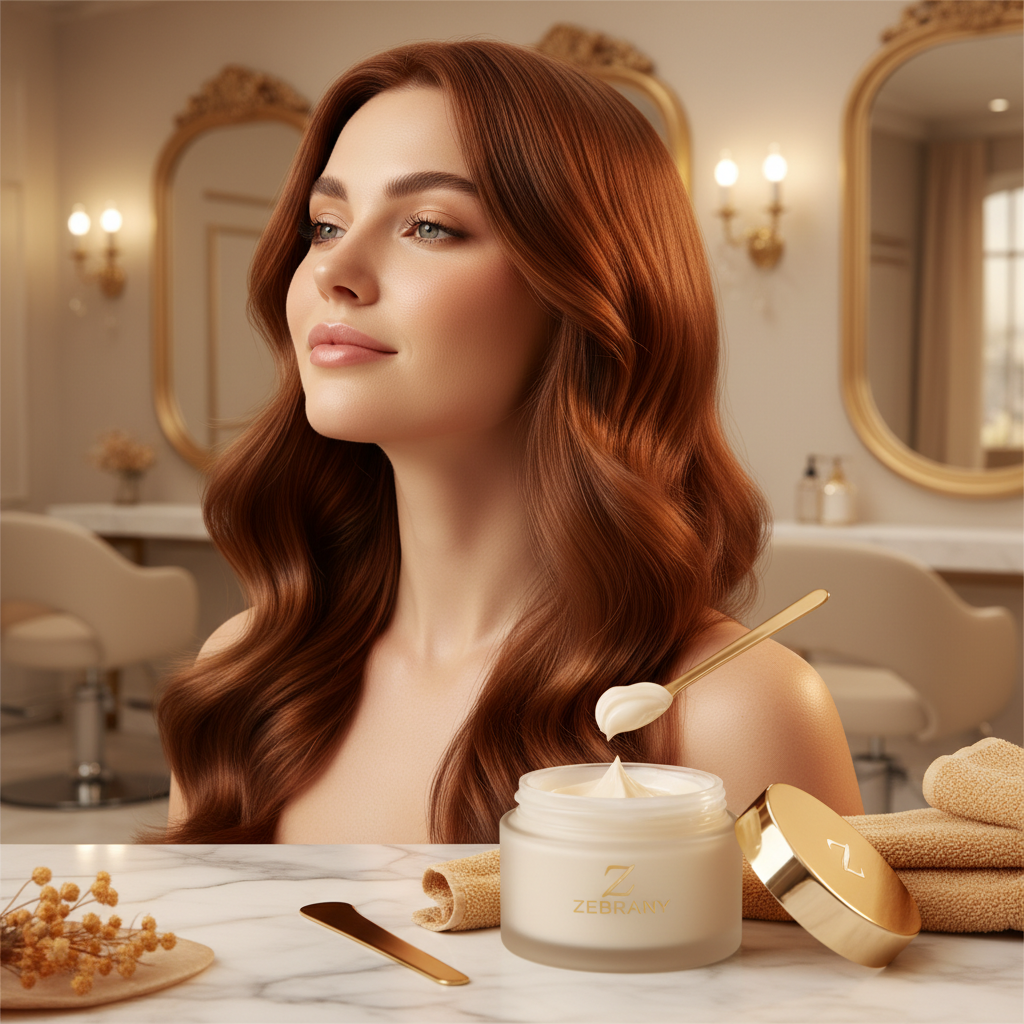
The Zebrany Deep Nourishing Hair Mask combines Argan Oil, Collagen, and Shea Butter in a rich, intensive formula designed to deeply nourish and restore dry, damaged hair. Used weekly, it's one of the most effective steps you can add to your haircare routine.