
Skincare
How to Build a Retinol Skincare Routine That Works
Retinol has earned its reputation as one of the most studied and effective skincare ingredients in the world. Dermatologists recommend it. Beauty editors swear by it. And the science backs it up — retinol supports skin cell turnover, helps smooth fine lines, and promotes a more even, radiant complexion over time.
But retinol also has a reputation for causing redness, peeling, and irritation — especially when introduced too quickly. The good news? With the right approach, you can get all the benefits without the discomfort.
Here's how to build a retinol skincare routine that actually works.
What Is Retinol and Why Does It Work?
Retinol is a form of Vitamin A that, when applied to the skin, converts into retinoic acid — the active compound that triggers skin cell renewal. This process helps:
- Accelerate the turnover of old, dull skin cells
- Support the appearance of smoother, more refined skin texture
- Help reduce the visibility of fine lines and wrinkles over time
- Promote a more even skin tone
The reason retinol can cause irritation is that it speeds up cell turnover, which your skin needs time to adjust to. The key is starting slowly and building up gradually.
Step 1: Start Low and Go Slow
If you're new to retinol, start with a low-concentration formula — typically 0.1% to 0.3%. This gives your skin time to adapt before you move to higher strengths.
Begin by using it just once or twice a week. After 4–6 weeks with no significant irritation, you can increase to every other night, and eventually every night if your skin tolerates it well.
Patience is essential. Retinol results take time — most people start to see noticeable improvements after 8–12 weeks of consistent use.
Step 2: Apply It at Night
Retinol breaks down in sunlight, which is why it should always be applied as part of your evening routine. Applying it at night also allows it to work while your skin is in its natural repair cycle during sleep.
Your evening routine with retinol should look something like this:
- Cleanse — Remove makeup and cleanse thoroughly
- Wait — Let your skin dry completely (about 20–30 minutes) before applying retinol. Applying to damp skin can increase absorption and irritation.
- Apply retinol — Use a pea-sized amount for your entire face. Less is more.
- Moisturize — Follow with a nourishing moisturizer to support the skin barrier
Step 3: Protect Your Skin Barrier
When you first start using retinol, your skin barrier may need extra support. A rich, nourishing moisturizer applied after retinol helps lock in hydration and reduce the risk of dryness or peeling.
Look for moisturizers with ingredients like Hyaluronic Acid, Collagen, or Vitamin E — all of which help support the skin barrier and maintain hydration levels.
Step 4: Never Skip SPF in the Morning
This is non-negotiable. Retinol increases your skin's sensitivity to UV rays, which means sun protection becomes even more important when you're using it.
Apply a broad-spectrum SPF 50+ sunscreen every single morning — even on cloudy days. This protects your skin from UV damage and ensures that the improvements you're making at night aren't being undone during the day.
Step 5: Avoid Mixing with Certain Ingredients
Some ingredients don't play well with retinol and can increase the risk of irritation:
- AHAs and BHAs (like glycolic acid or salicylic acid) — avoid using on the same night as retinol
- Vitamin C — best used in the morning rather than layered with retinol at night
- Benzoyl peroxide — can deactivate retinol; use on alternate nights if needed
Keeping your retinol nights simple — cleanser, retinol, moisturizer — is the safest approach, especially when you're starting out.
What to Expect in the First Few Weeks
It's normal to experience some mild dryness, flaking, or sensitivity when you first introduce retinol. This is sometimes called the "retinol purge" and typically settles down within 4–6 weeks as your skin adjusts.
If you experience significant redness, burning, or peeling, reduce your frequency or take a break for a week before reintroducing.
The Long-Term Payoff
Consistency is what makes retinol work. Used regularly over months and years, it's one of the most effective tools available for maintaining smooth, healthy-looking skin as you age.
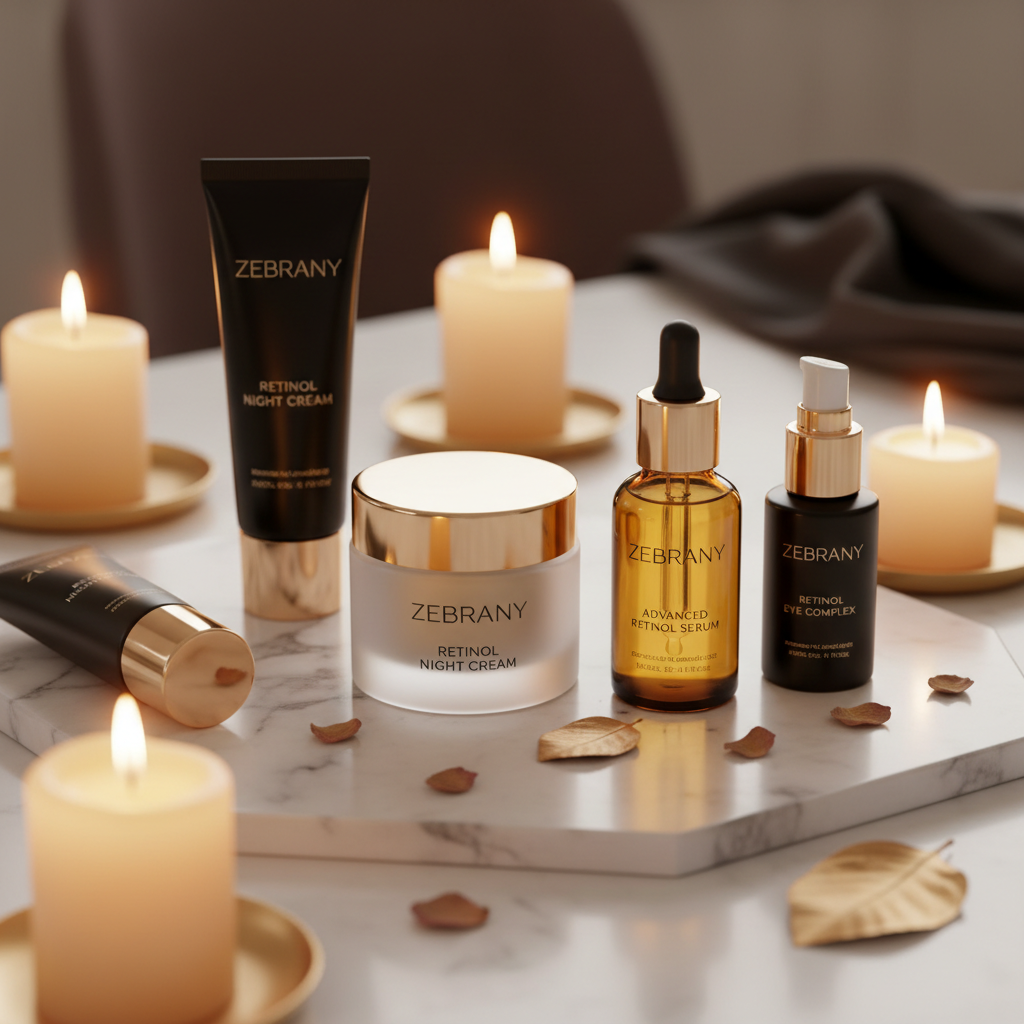
The Zebrany Advanced Retinol Night Cream combines Retinol with Collagen and Vitamin E in a nourishing overnight formula designed to support skin renewal while you sleep — without the harsh irritation that can come from stronger formulations. It's an ideal starting point for anyone new to retinol, or a reliable nightly staple for those already in the habit.
Start slow, stay consistent, and let the results speak for themselves.